
Why Maintain Commercial Landscapes: Value for Property Managers
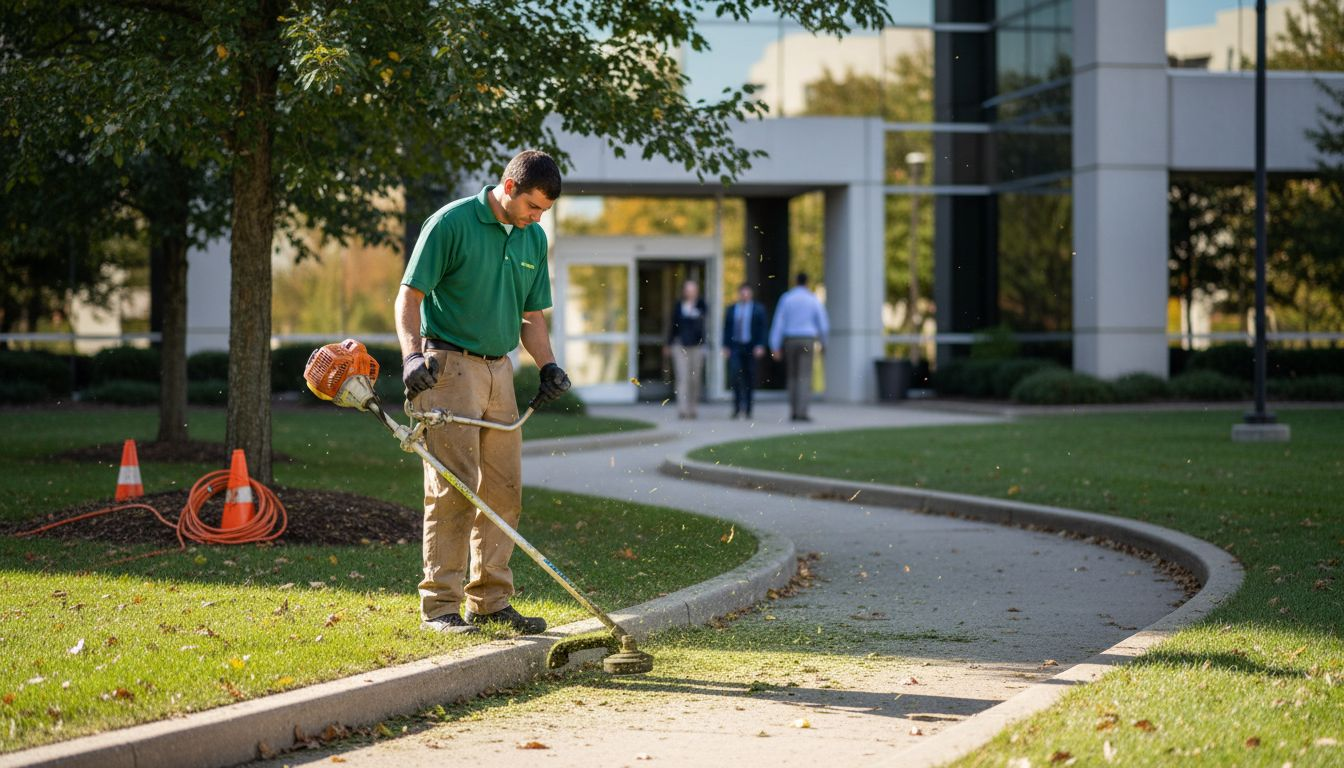
Managing outdoor spaces in Northern Arizona brings unique challenges, from harsh climate shifts to rising expectations for sustainable practices. For commercial property managers, creating functional and attractive landscapes requires more than routine upkeep. A strategic approach to commercial landscape maintenance addresses tenant satisfaction, reduces unexpected costs, and keeps your property compliant with evolving environmental standards, turning outdoor areas into valuable business assets.
Table of Contents
- Defining Commercial Landscape Maintenance
- Key Service Types And Seasonal Tasks
- Impact On Property Value And Tenant Retention
- Eco-Friendly Practices And Compliance Standards
- Costs, Risks, And Common Mistakes To Avoid
Key Takeaways
| Point | Details |
|---|---|
| Comprehensive Maintenance | Commercial landscape maintenance goes beyond aesthetics, focusing on ecological strategies to enhance property value and functionality. |
| Seasonal Focus | Tailoring maintenance tasks to seasonal changes maximizes landscape health and minimizes risks throughout the year. |
| Financial Impact | Professional landscaping can increase property value significantly and improve tenant satisfaction by creating inviting outdoor environments. |
| Sustainability Practices | Eco-friendly landscape maintenance practices are not just cost-effective but also demonstrate a commitment to environmental stewardship and compliance. |
Defining Commercial Landscape Maintenance
Commercial landscape maintenance represents a systematic and strategic approach to preserving outdoor spaces surrounding business facilities. This comprehensive practice goes far beyond simple aesthetic upkeep, encompassing a complex array of ecological and professional management techniques designed to support property value and operational standards.
At its core, commercial landscape maintenance involves a structured process of managing vegetation and hardscape elements that ensures outdoor environments remain attractive, functional, and sustainable. The practice integrates multiple critical components:
- Regular pruning and trimming of trees and shrubs
- Strategic turf management
- Pest control and prevention
- Seasonal planting and fertilization
- Irrigation system maintenance
- Hardscape element preservation
Professional grounds maintenance requires deep ecological knowledge and technical expertise. Workers must understand local flora, comprehend seasonal growth patterns, identify potential pest risks, and utilize advanced technologies like geographic information systems (GIS) to create precise maintenance strategies.
Successful commercial landscape maintenance demands a tailored approach that considers unique factors like property size, local climate conditions, soil composition, and specific business branding requirements. By developing customized maintenance plans, property managers can transform outdoor spaces from mere background elements into strategic assets that enhance professional image and operational efficiency.
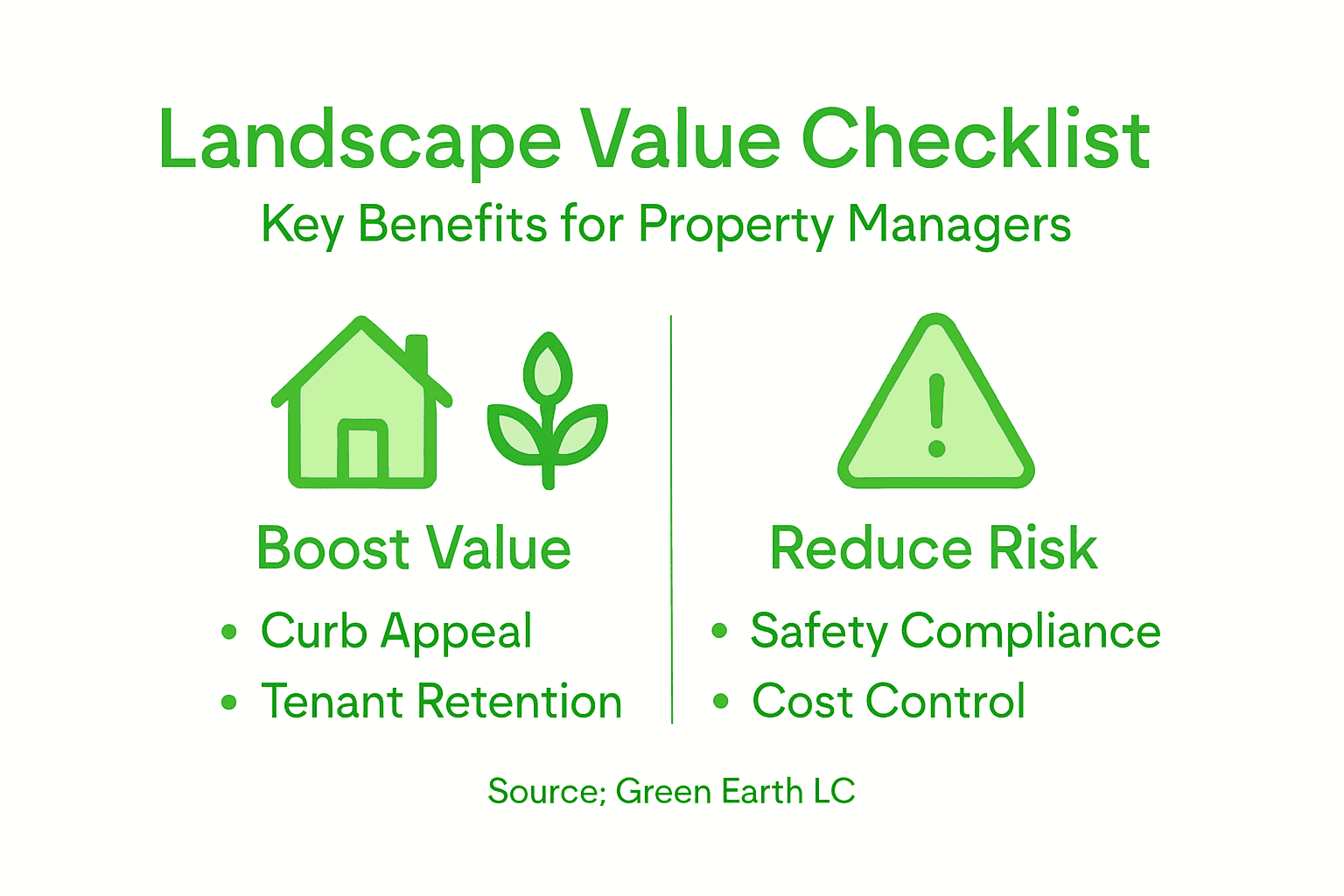
Pro tip: Develop a comprehensive landscape maintenance calendar that accounts for seasonal variations and proactively schedules key maintenance activities to minimize unexpected disruptions and optimize landscape health.
Key Service Types and Seasonal Tasks
Commercial landscape maintenance involves a comprehensive suite of services that adapt to changing seasonal demands, ensuring properties remain visually appealing, functional, and well-preserved throughout the year. Seasonal landscape maintenance strategies are crucial for protecting property investments and maintaining optimal outdoor environments.
The primary service types for commercial landscape maintenance can be categorized into core operational areas:
- Turf Management
- Regular mowing
- Fertilization
- Weed control
- Soil health monitoring
- Tree and Shrub Care
- Pruning
- Disease prevention
- Structural maintenance
- Root zone protection
- Hardscape Maintenance
- Cleaning and pressure washing
- Repair of walkways, patios, and outdoor surfaces
- Drainage system inspection
- Surface preservation
Seasonal tasks play a critical role in maintaining landscape health and appearance. Each season demands specific maintenance approaches:
Here’s a summary of how seasonal landscape tasks align with business goals:
| Season | Key Focus | Business Benefit |
|---|---|---|
| Spring | Rejuvenation & prep | Early issue detection, strong growth |
| Summer | Health management | Customer appeal, pest reduction |
| Fall | Protection measures | Cost savings, fewer repairs |
| Winter | Safety & readiness | Liability minimization, asset longevity |
- Spring Tasks
- Debris removal
- Irrigation system inspection
- Initial fertilization
- Preparing beds for new plantings
- Summer Tasks
- Consistent mowing
- Irrigation management
- Pest control
- Heat stress mitigation
- Fall Tasks
- Leaf removal
- Pruning dormant plants
- Soil preparation
- Winter plant protection
- Winter Tasks
- Snow and ice management
- Equipment maintenance
- Landscape structural assessment
Implementing a structured, seasonally-adaptive maintenance plan helps property managers minimize potential landscape damage, control costs, and sustain long-term property value.
By adopting a proactive and comprehensive approach to landscape maintenance, property managers can transform outdoor spaces from simple aesthetic elements into strategic assets that enhance property appeal, functionality, and overall professional image.
Pro tip: Create a detailed seasonal maintenance calendar that anticipates specific regional climate challenges and schedules preventative services to optimize landscape health and reduce unexpected repair costs.
Impact on Property Value and Tenant Retention
Commercial landscape maintenance is far more than a cosmetic investment – it’s a strategic approach that directly influences property value, tenant satisfaction, and long-term financial performance. Professional landscaping significantly impacts property economics, with potential value increases ranging from 7% to 14%.
The direct benefits of strategic landscape maintenance for property managers include:
- Financial Value Enhancement
- Increases property market value
- Reduces potential repair and replacement costs
- Lowers utility and maintenance expenses
- Attracts higher-quality tenants
- Tenant Experience Improvement
- Creates welcoming outdoor environments
- Supports employee wellness and productivity
- Demonstrates professional property management
- Encourages longer lease commitments
Well-maintained landscapes serve as a critical first impression for potential tenants, signaling attentive management and institutional care. Landscaping quality directly influences tenant retention by creating functional, attractive spaces that support workplace wellness and aesthetic appeal.
Consistent, high-quality landscape maintenance communicates professionalism and commitment, transforming outdoor spaces from mere aesthetic elements into strategic business assets.
Beyond visual appeal, strategic landscape maintenance addresses critical operational considerations. Properly maintained outdoor spaces reduce potential safety liabilities, improve drainage and environmental performance, and create inviting areas that can differentiate a property in competitive real estate markets.
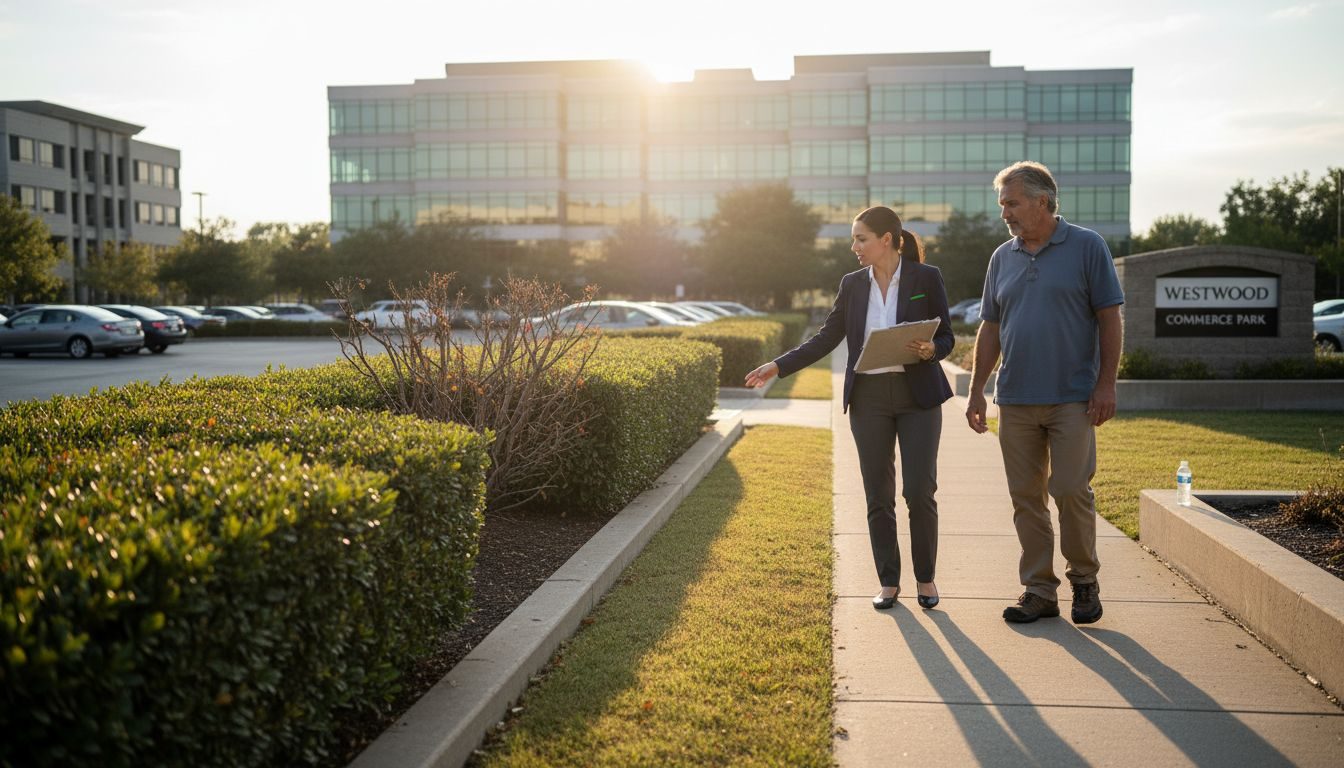
Pro tip: Conduct an annual landscape performance audit to quantify the return on investment and identify opportunities for strategic improvements that enhance property value and tenant satisfaction.
Eco-Friendly Practices and Compliance Standards
Sustainable landscape maintenance has evolved from a niche concept to a critical business strategy for commercial properties. Sustainable landscaping practices now represent a comprehensive approach that balances environmental stewardship with functional outdoor space management.
Key eco-friendly practices for commercial landscapes include:
- Water Conservation
- Install smart irrigation systems
- Use native drought-resistant plants
- Implement rainwater harvesting
- Monitor and adjust water usage
- Soil and Vegetation Management
- Select native plant species
- Use organic fertilization techniques
- Practice integrated pest management
- Minimize chemical interventions
- Material and Resource Sustainability
- Utilize recycled landscaping materials
- Reduce carbon footprint
- Support local ecological systems
- Minimize waste generation
Compliance with environmental standards requires a multifaceted approach that goes beyond basic maintenance. Commercial landscape maintenance integrates green certifications and regulatory requirements to create environmentally responsible outdoor spaces.
This table compares traditional vs. eco-friendly landscape practices for commercial properties:
| Approach | Resource Usage | Regulatory Compliance | Long-Term Cost |
|---|---|---|---|
| Traditional | Higher consumption | Basic requirements | Expenses can rise |
| Eco-Friendly | Reduced consumption | Exceeds compliance | Saves money over time |
Sustainable landscape practices are not just an environmental responsibility, but a strategic business advantage that demonstrates corporate commitment to ecological stewardship.
Property managers must navigate complex regulatory landscapes, considering local environmental regulations, water conservation mandates, and emerging sustainability standards. This requires continuous education, adaptive management strategies, and a proactive approach to ecological compliance.
Pro tip: Develop a comprehensive sustainability scorecard to track and continuously improve your landscape’s environmental performance, aligning maintenance practices with evolving green standards.
Costs, Risks, and Common Mistakes to Avoid
Commercial landscape maintenance involves complex financial and operational considerations that can significantly impact property management outcomes. Hidden costs of poor maintenance can silently erode property value and create unexpected financial burdens for property managers.
The most critical risks and potential mistakes include:
- Financial Risks
- Unexpected infrastructure repair costs
- Water waste from inefficient systems
- Premature plant and landscape replacement
- Increased utility expenses
- Operational Risks
- Safety hazard liability
- Tenant dissatisfaction
- Reduced property attractiveness
- Decreased property market value
- Maintenance Mistakes
- Inconsistent care schedules
- Inappropriate plant selection
- Neglecting drainage management
- Reactive instead of preventative approaches
Commercial landscaping mistakes often stem from overlooking critical maintenance elements, which can lead to substantial long-term financial implications. Property managers must develop proactive strategies that anticipate potential issues before they escalate.
Reactive maintenance is always more expensive than consistent, strategic landscape management. Prevention is significantly more cost-effective than repair.
Understanding and mitigating these risks requires a comprehensive approach that integrates regular assessments, professional expertise, and strategic planning. Property managers must balance aesthetic requirements with functional maintenance protocols to minimize potential financial and operational vulnerabilities.
Pro tip: Implement a quarterly landscape risk assessment that evaluates potential maintenance vulnerabilities and develops preemptive mitigation strategies.
Elevate Your Property Value with Expert Commercial Landscape Maintenance
Maintaining commercial landscapes is more than upkeep it is a strategic investment that safeguards your property value and attracts high quality tenants. If you are a property manager seeking to minimize risks like unexpected repair costs and tenant dissatisfaction while maximizing long term financial benefits you need a partner who understands the unique challenges outlined in the article Key elements such as sustainable turf management, seasonal maintenance, and eco friendly practices play major roles in your property’s success.
At Green Earth LC, we combine our award winning expertise in sustainable landscape design with proven maintenance strategies that align perfectly with the comprehensive, seasonally adaptive plans recommended. Our team ensures your landscape becomes a dynamic asset that supports tenant retention and enhances your property’s market appeal.
Discover how our professional services can transform your outdoor spaces today.

Ready to protect and increase your property value with tailored commercial landscape maintenance Contact Green Earth LC now for a consultation and take the first step toward a healthier greener property with minimized risks and optimized costs. Learn more about our environmentally responsible solutions and why partnering with us is the key to long term success.
Frequently Asked Questions
What are the main benefits of maintaining commercial landscapes?
Maintaining commercial landscapes enhances property value, attracts higher-quality tenants, reduces utility and maintenance expenses, and creates inviting outdoor environments that support tenant satisfaction.
How does seasonal landscape maintenance impact property management?
Seasonal landscape maintenance ensures that commercial properties remain visually appealing and functional year-round, minimizes potential damage, and optimizes landscape health aligned with business goals.
What eco-friendly practices can be implemented in commercial landscape maintenance?
Eco-friendly practices include using smart irrigation systems, selecting native and drought-resistant plants, practicing integrated pest management, and utilizing recycled landscaping materials to promote sustainability and compliance with environmental standards.
What are some common mistakes to avoid in commercial landscape maintenance?
Common mistakes include inconsistent care schedules, inappropriate plant selection, neglecting drainage management, and taking a reactive approach instead of a preventive one, which can lead to increased costs and safety liabilities.
Recent Comments