
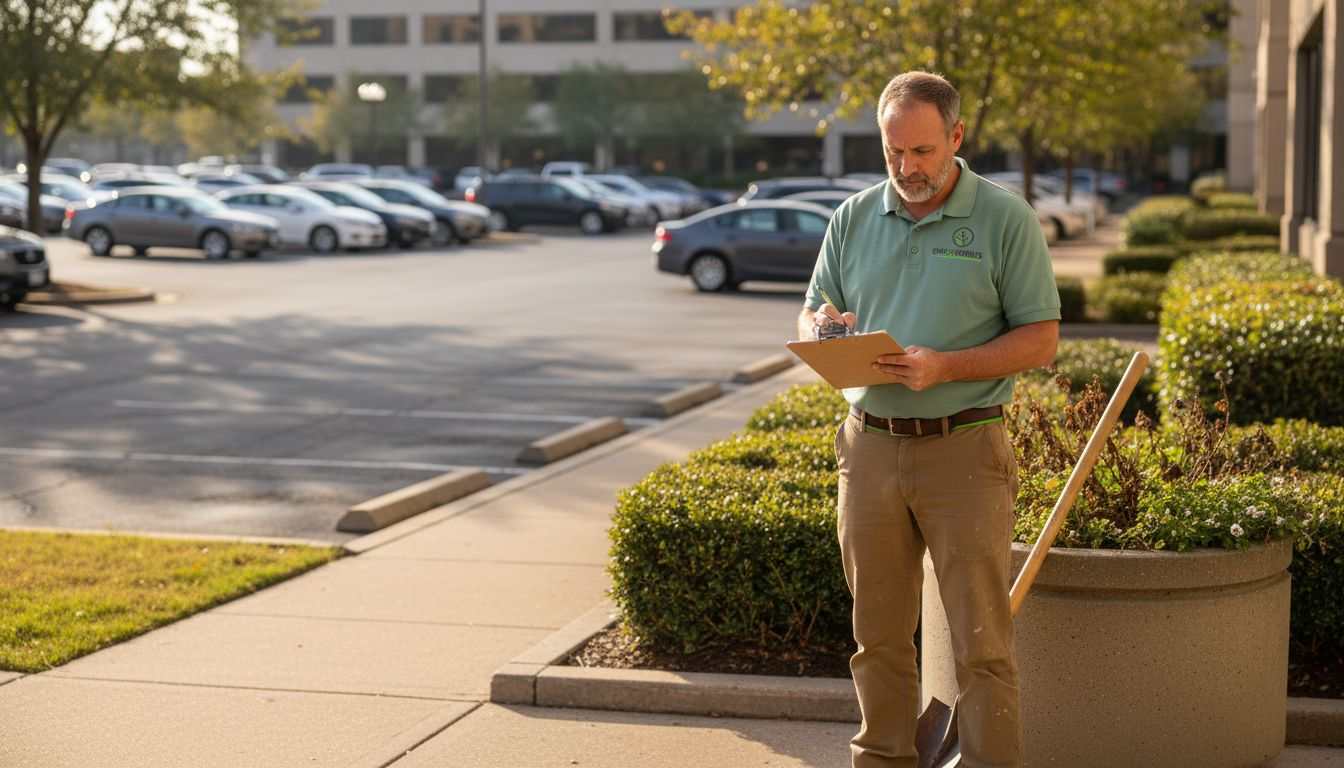
Choosing the right outdoor design for a commercial property in Northern Arizona can feel like a balancing act between visual impact, sustainability, and long-term value. Today’s property managers know that sustainable commercial landscape design is not just about curb appeal but about building spaces that work for both business and the environment. Discover how a thoughtful approach can help your property stand out, lower operating costs, and reflect your commitment to eco-friendly practices.
Table of Contents
- Defining Commercial Landscape Design And Its Purpose
- Types Of Sustainable Commercial Landscape Solutions
- How Design Influences Property Value And Appeal
- Environmental Benefits And Eco-Friendly Innovations
- Cost Implications And Long-Term Maintenance Factors
Defining Commercial Landscape Design and Its Purpose
Commercial landscape design represents a strategic approach to transforming outdoor business environments through intentional planning and aesthetic consideration. This specialized discipline goes far beyond simple gardening or aesthetic decoration, instead focusing on creating functional, sustainable spaces that directly contribute to a property’s overall value and operational effectiveness.
At its core, commercial landscape design involves comprehensive planning of outdoor spaces that balance visual appeal with practical functionality. The discipline integrates multiple complex elements:
- Hardscaping structures and pathways
- Strategic plant selection
- Irrigation and water management systems
- Lighting design
- Ecological sustainability considerations
- Climate-responsive design techniques
Professional landscape designers understand that each commercial property presents unique challenges and opportunities. A corporate campus requires different design principles compared to a retail center, healthcare facility, or mixed-use development. Successful commercial landscape design must carefully consider local regulations, environmental conditions, business branding, and long-term maintenance requirements.
The ultimate purpose of commercial landscape design extends beyond mere aesthetics. These carefully crafted outdoor spaces serve critical functional roles: improving energy efficiency, enhancing property value, creating welcoming environments for employees and customers, and demonstrating an organization’s commitment to sustainable practices.
Pro tip: Invest in a professional landscape assessment to understand your specific property’s unique design potential and environmental opportunities.
Types of Sustainable Commercial Landscape Solutions
Sustainable commercial landscape solutions represent an innovative approach to designing outdoor spaces that minimize environmental impact while maximizing functional and aesthetic value. These solutions go beyond traditional landscaping by integrating ecological principles, resource conservation, and strategic design techniques that support both business objectives and environmental stewardship.
Commercial properties can implement sustainable landscaping practices through several key strategies:
- Native plant selection that reduces water consumption
- Drought-resistant vegetation
- Efficient irrigation systems
- Permeable pavement designs
- Rain gardens for storm water management
- Green infrastructure integration
Water conservation stands as a critical component of sustainable landscape design. By utilizing native plants adapted to local climate conditions and implementing smart irrigation technologies, commercial properties can significantly reduce water usage while maintaining attractive, healthy outdoor environments. These approaches not only lower operational costs but also demonstrate a commitment to environmental responsibility.
Additionally, sustainable landscape solutions offer broader ecological benefits. Recycling construction materials into landscape hardscapes, minimizing chemical treatments, and creating biodiverse environments can help mitigate urban heat island effects and support local ecosystems. Modern commercial landscapes can serve as functional green spaces that actively contribute to environmental health and workplace wellness.
Pro tip: Conduct a comprehensive site analysis to identify specific sustainable landscape opportunities unique to your commercial property’s microclimate and operational requirements.
The following table summarizes the primary goals of sustainable commercial landscape solutions and the business outcomes they support:
| Sustainability Goal | Business Outcome | Environmental Benefit |
|---|---|---|
| Reduce water consumption | Lower utility costs | Preserves local water resources |
| Minimize maintenance needs | Decreased labor expenses | Reduces chemical/fuel use |
| Maximize aesthetic value | Improved customer impression | Enhances urban biodiversity |
| Implement smart technologies | Predictable budgeting | Supports climate adaptation |
How Design Influences Property Value and Appeal
Landscape design plays a pivotal role in transforming commercial properties from mere functional spaces into compelling, high-value assets. Strategic design methodologies can dramatically enhance a property’s market perception, operational efficiency, and overall economic potential.
Commercial property design impacts value through several key dimensions:
- Visual aesthetics and first impressions
- Functional space utilization
- Environmental sustainability
- Employee and visitor experience
- Brand image representation
- Competitive market differentiation
Property valuation experts recognize that thoughtful landscape design can significantly boost market value. Real estate design studies demonstrate that well-executed architectural and landscape elements can increase property values by 10-15%. This increase stems from enhanced curb appeal, improved functionality, and the creation of distinctive environments that stand out in competitive markets.
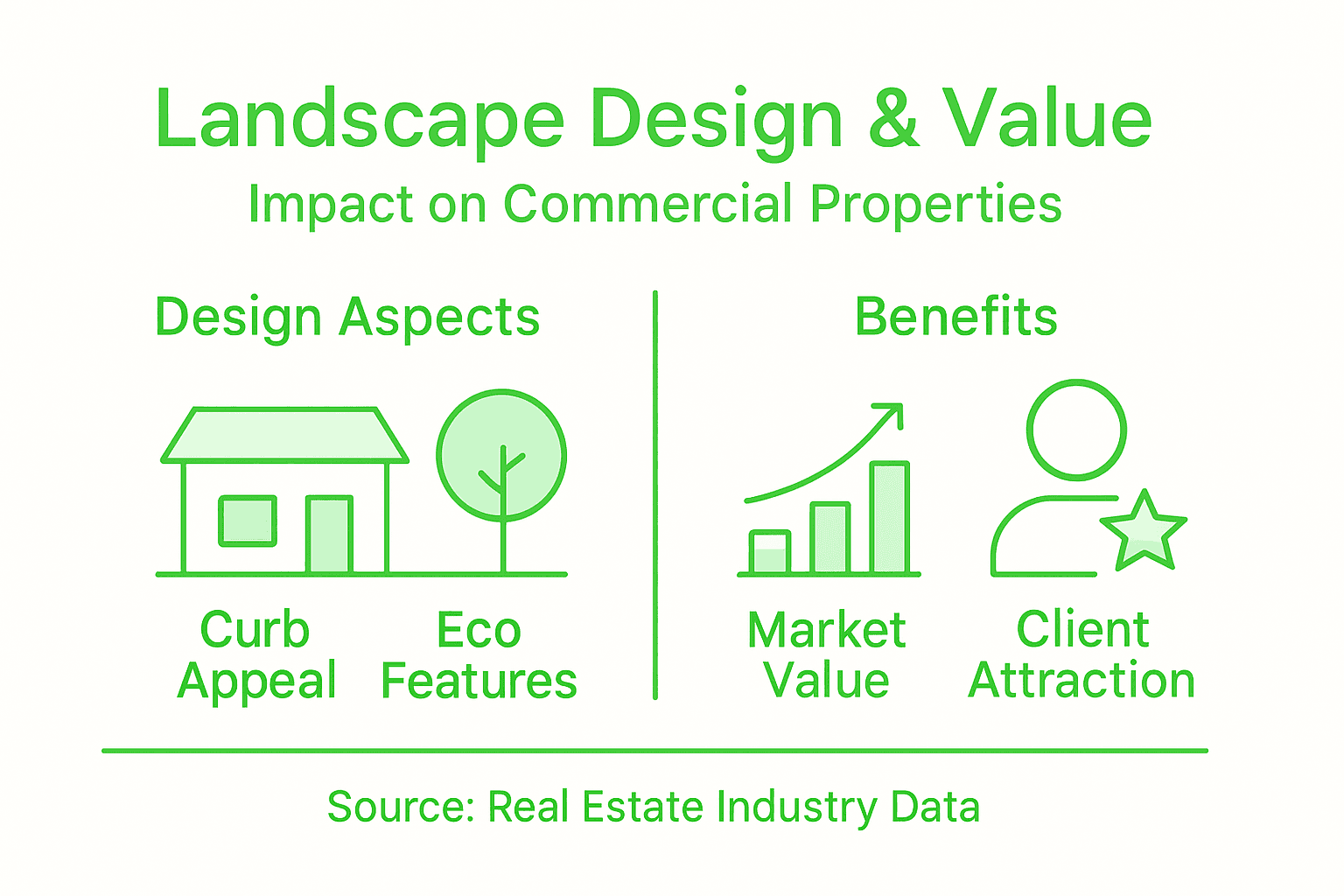
Beyond pure financial metrics, exceptional landscape design creates intangible value by shaping emotional responses and user experiences. A carefully designed exterior communicates professionalism, environmental consciousness, and organizational sophistication. It transforms outdoor spaces from mere background elements into strategic assets that reflect corporate identity, support employee well-being, and attract top talent.
Pro tip: Conduct periodic design audits to ensure your landscape continues to align with evolving business goals and market expectations.
Recent Comments